Lost in the shadow, forgetting my own flame.....
- Sep 26, 2025
- 9 min read
The Layer of Abandonment and Trauma
Here’s where it gets more complicated: many of us carry abandonment wounds from childhood or past relationships. Maybe someone we depended on left. Maybe love felt conditional. Maybe we were emotionally neglected. Maybe we were taught that being “too emotional” made people walk away. Maybe we were ignored and silenced.
Those experiences don’t just vanish. They live in our nervous system, in the stories we tell ourselves, in the way we attach to others. They whisper, Don’t speak up, or you’ll be left again. Don’t ask for too much, or you’ll scare them away.
Our anxiety elevates, we obsess and over analyze or google our partners behavior to justify who knows what! Yes, I am guilty of that! We react, not just to the moment, but to the wound it touches.
Triggers and Trauma
This is where triggers come in. Triggers became my teachers. They showed me the wounds I hadn’t yet healed. Every time my heart raced when a text went unanswered, or my chest tightened when I sensed distance, I wasn’t reacting to the present moment—I was reliving the past. It’s about every time we felt small, unwanted, or abandoned before.
That’s the thing about trauma: it loops. It convinces you that what happened then is what’s happening now. And unless you pause, breathe, and get curious, you’ll keep replaying the same story in every relationship.
What I’ve learned is that choosing self-love in these moments means pausing before spiraling. It means asking myself, Is this fear real right now, or is this my old wound speaking? It means reminding myself that I am safe, even if someone doesn’t respond the way I hope.
And here’s the truth: relationships mirror us. They reflect back the parts of us that still ache, the places that need healing. That’s why we sometimes find ourselves in familiar cycles—chasing, pleasing, or shutting down—because our unhealed trauma is replaying itself, asking to be acknowledged.
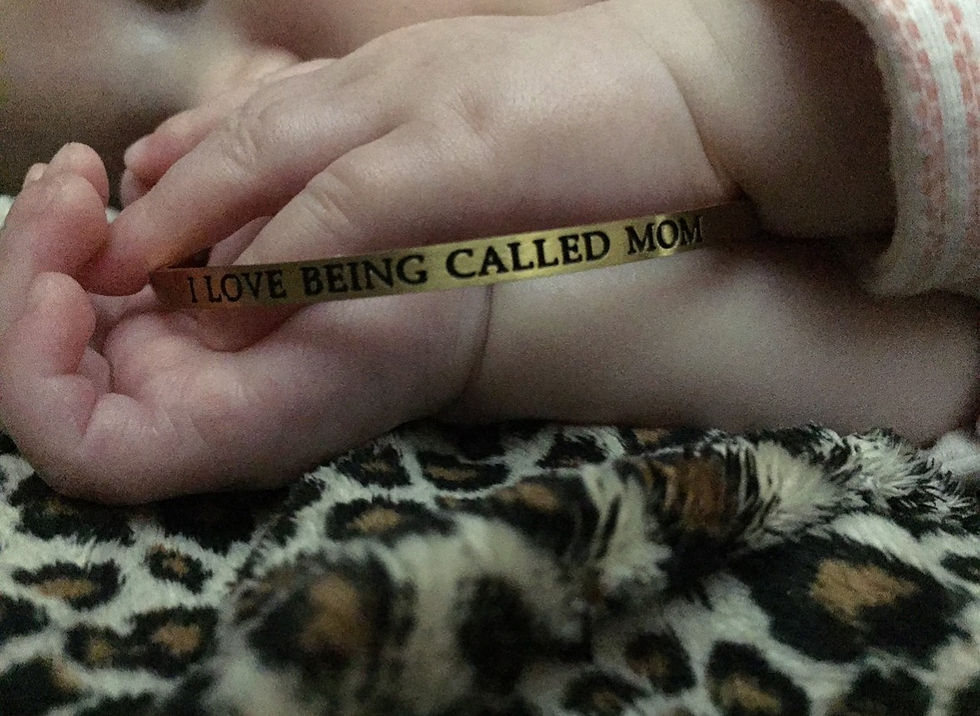
And since we are being honest, my triggers showed up recently, and I wasn't too proud of my reactions. I was not being fair at times to them and some of my wombs showed up when there was distance. I took it as rejection and that was for me to sort out internally, while still being vulnerable enough to them about what I was feeling. But, I am still evolving and balancing new relationships, something I have never done as a single mom. I hold myself accountable when needed and genuinely reflect with an apology and explanation.
Be gentle with yourself, the right ones will listen and forgive you out of understanding and pure love. If they want to truly stay and not pull away, they will choose you over and over again because of your core values and the light you give out. Not because of a trauma response that can be worked on with intention. They will work through these stages with you to provide a safe space for you both to grow.
Control is the root
One of the hardest truths I had to face was how abandonment wounds showed up in my relationships. They weren’t just about being scared someone would leave—they were about control.
I found myself thinking, If I love harder, give more, hold tighter, maybe they won’t walk away. But that was just fear disguised as love. Control is the mask abandonment wears. The truth is, no amount of self-abandonment will make someone stay who doesn’t want to.
When I finally began to see this, I realized the cycle I was stuck in. Every time I betrayed myself to keep someone close, I was proving to my inner child that love meant disappearing. That old trauma was teaching me to mirror my fears instead of my truth.
The day I found out I was pregnant, I took a hard look in the mirror and barely recognized myself. How the hell did I get here? Why am I choosing these men? I cringed from my past relationships; I hated where I was with my choices and what I allowed to happen to me in the relationships. I was physically abused, emotionally neglected and mentally tormented. Like what the FUCK!!! I wanted to understand why I kept repeating these patterns. I started unraveling my trauma and studying behavior almost a decade ago with a professional therapist.
These were buried abandonment wombs that controlled me subconsciously. I allowed men to breadcrumb me for years because as a highly sensitive person, I did not know how to love without being blind to the suffering. All I knew was conditional love that was programmed out of neglect and emotional abuse. It destroyed my life for so long, I wanted to erase the patterns instilled in me. I had to face myself and really dig into my abandonment wombs that started as a little girl screaming inside for love and connection. That’s when it hit me: if I had to shrink and beg to keep love, then it wasn’t really love. Not the kind I deserved, and not the kind I wanted to build. I wanted stability, connection not chaos and effort reciprocated back to me.
Learning to Be Alone and Facing Intimacy
One of the hardest lessons I’ve had to learn on this journey is how to be truly alone without fear. When you carry abandonment wounds, being alone can feel like danger—it triggers old stories: I’ll be left, I’m not enough, I can’t survive on my own.
But here’s the truth: learning to be alone is one of the most profound acts of self-love. It’s where you re-parent yourself, face your fears, and realize that you can be whole even without someone else holding you up. Solitude isn’t loneliness—it’s courage. It’s the space where your inner child feels seen and safe. It’s where your heart learns to soothe itself.
At the same time, abandonment wounds can make us avoid intimacy altogether. If love has felt unsafe or conditional in the past, we sometimes pull back, keep walls up, or numb ourselves to closeness—because vulnerability feels risky. We mirror the past by creating distance, thinking we’re protecting ourselves, when really we’re denying ourselves the connection we deeply crave.
Learning to be alone and learning to be intimate are two sides of the same coin. When you can sit with yourself fully, feel your emotions without running, and meet your fears with compassion, you’re practicing self-love at its deepest level. You’re teaching yourself that closeness doesn’t have to hurt, that love doesn’t require you to disappear, and that your worth is inherent—not dependent on another person’s presence or approval.
Alone time becomes a mirror for growth: it shows you what you truly need, what triggers you, and how to meet yourself with compassion. And when you bring that self-awareness and love into your relationships, everything shifts. You stop giving away pieces of yourself to keep someone close and instead share yourself freely, fully, and consciously.
Self-Love as Healing
When most people talk about self-love, they picture spa days, fresh nails, or a new haircut. And while those things can be beautiful, they don’t scratch the surface of what real self-love looks like inside a relationship.
For me, self-love has meant choosing not to abandon myself in the name of love. It has meant recognizing where I used to shrink, over give, or stay silent just to avoid conflict—when in reality, all I was doing was creating chaos inside myself.
Boundaries became my lifeline. I had to learn that self-love wasn’t selfish—it was sacred. Saying no when my soul whispered “enough,” choosing peace over constant tension, and refusing to confuse chaos with passion… all of that was me finally learning how to love myself in real time.
This is why self-love is so vital in relationships. It’s about re-parenting yourself through the abandonment wounds. It’s about learning to stay with yourself when triggers hit, instead of running or lashing out. It is so crucial to communicate and be open about your triggers with your partner. This will improve your connection and help transparency as you grow together.
Self-love looks like:
✨ Pausing before reacting to a trigger
Asking, Is this about my partner right now, or is this about my past?
✨ Soothing your inner child
Reminding yourself, I am safe. I am loved. I am not being abandoned—I am here with me.
✨ Breaking old patterns
Noticing when you want to over give, chase, or people-please—and gently choosing a different response.
✨ Allowing vulnerability
Sharing your fears with your partner, not as demands, but as truths. For example: "When you go quiet after I open up, it stirs up my abandonment wound and makes me feel rejected. I know it’s my work to process, but I want you to understand where I’m coming from."
*I have used this one recently and this resulted in better understanding.”
✨ Choosing partners who can hold space
Self-love means not settling for relationships that constantly activate your trauma without any willingness to heal together. This is KEY. Both parties need to have the awareness of their triggers and behaviors, as well as discussing or apologizing when they react and allow their triggers to take over that moment. Emotional Intelligence and inner balance must be present to hold this space.
Loving Them Without Losing You
Being in a relationship can feel like walking a beautiful tightrope. On one side is love for your partner, and on the other side is love for yourself. For years, I thought the only way to prove my love was to lean more and more into them—say yes when I wanted to say no, silence my needs to keep the peace, or bend myself into shapes that didn’t feel like me. I thought that was love. But in reality, it was abandonment. Not of them—of ME !
I used to confuse compromise with self-betrayal. I told myself; this is what relationships are—give and take. But what I didn’t realize was that I was always the one giving, and rarely the one taking. I felt like I had to prove to my partner why I was a good catch by performing instead of just being. And slowly, my voice got quieter, my needs felt smaller, and my joy started slipping through the cracks.
So, I started choosing self-love in small ways. I spoke up when something hurt me, even if my voice shook. I gave myself permission to rest instead of forcing myself to match someone else’s pace. I said no without guilt. And most importantly, I reminded myself daily: I can love you deeply without abandoning me.
The truth is, healthy love doesn’t ask you to disappear. It invites you to stand fully in who you are. Self-love inside a relationship isn’t selfish—it’s essential. It teaches your partner how to love the real you, not the version you mold yourself into.
The Beauty of Wholeness
The most beautiful thing about choosing self-love in a relationship is this: you stop clinging to love out of fear of being left. Instead, you start choosing love every day because it complements who you already are.
When you love yourself first, abandonment wounds don’t disappear overnight—but they lose their grip. You stop outsourcing your worth to whether someone stays or goes. You begin to anchor in the truth that you are whole, even if love walks away.
And from that place, you can build a relationship that isn’t about survival or fear of loss—it’s about connection, growth, and peace.
So here’s your gentle reminder: don’t lose yourself and values trying to keep love. You have worked so damn hard working through your wombs; don’t you dare justify! The right love will never ask you to abandon who you are, and the right love will intentionally communicate with you to ease the triggers you opened up to them about. And the deepest act of love you can give to your partner is to keep loving yourself too.
Because when you choose you, your triggers soften, your patterns shift, and your love becomes freer. That’s where healing meets intimacy.
I honor my boundaries as an act of love.
Peace is my power, not chaos.
I release control and trust I am safe.
I choose myself without guilt or apology.
Love flows to me because I am whole.
Reflective Journal Prompts
If this message resonates with you, take a few minutes with your journal and explore these questions:
When have I abandoned myself in past or current relationships, and how did it make me feel?
What does peace in love look like for me—and what does chaos feel like?
Which triggers come up most often in my relationship, and what old wound do they connect to?
How can I soothe myself in the moment when my abandonment wound is activated?
What boundaries can I set that honor both my partner and I?
Where do I still confuse self-sacrifice with love, and how can I begin to shift that?
What would it look like to stand fully as me in my relationship—without shrinking or over giving?
Closing Prayer
God, remind me daily that I am whole, worthy, and loved beyond measure. Teach me to choose myself without guilt, to set boundaries without fear, and to release control where my wounds still cling. Help me see love not as something to chase or hold tightly, but as something that flows freely when I am rooted in peace. When my triggers rise, give me grace to pause, breathe, and listen to the voice of truth, not fear. May I never abandon the child within me again. May I walk in love, not chaos. And may every relationship I enter reflect the wholeness You’ve already placed within me. Amen.
“I will not abandon myself—peace and love live within me.”
Own Your Light,
Soldier Mom


Thank you for this enlightenment. It will help me understand that I am free to love me!