Understanding C-PTSD: A Compassionate Look at a Complex Condition
- Aug 23, 2025
- 6 min read
Updated: May 1
“Our issues are in our tissues.”
This phrase captures the essence of how trauma lives in the body—not just in our memories, but in our muscles, our breath, our digestion, and our nervous system. Complex Post-Traumatic Stress Disorder (C-PTSD) is a psychological condition that develops from prolonged, repeated trauma—often occurring in childhood or within relationships where escape wasn’t possible. Unlike PTSD, which typically stems from a single traumatic event, C-PTSD is rooted in chronic exposure to trauma, such as emotional neglect, abuse, or abandonment.
This post aims to shed light on the complexity of C-PTSD—not to assign blame, but to foster understanding, compassion, and healing.
The Nervous System: Trauma’s Hidden Battleground
Our nervous system is designed to protect us. When we experience danger, it activates the fight, flight, freeze, or fawn responses. In cases of chronic trauma, especially in childhood, the nervous system becomes stuck in survival mode.
This can manifest as:
Hypervigilance: Constantly scanning for threats, even in safe environments.
Emotional dysregulation: Difficulty calming down or feeling safe.
Somatic symptoms: Chronic pain, fatigue, digestive issues, or autoimmune conditions.
Over time, the body learns to expect danger, even when none is present. This isn’t weakness—it’s a brilliant adaptation to an unsafe world.
Relationships: The Echoes of Early Wounds
C-PTSD deeply affects how we relate to others. When early relationships were marked by betrayal, neglect, or inconsistency, the blueprint for connection becomes distorted.
People with C-PTSD may:
Struggle with trust and intimacy.
Experience fear of abandonment or emotional numbness.
Feel unworthy or hyper-responsible in relationships.
These patterns aren’t choices—they’re survival strategies learned in environments where love was conditional or unsafe. Healing involves relearning safety in connection, often through therapy, community, and self-compassion.
What Stress Really Looks Like in the Body
Stress isn’t just a feeling—it’s a biological cascade. In C-PTSD, the stress response becomes dysregulated:
Cortisol and adrenaline may surge unpredictably.
The amygdala (fear center) becomes overactive.
The prefrontal cortex (reasoning and regulation) may go offline during triggers.
This can lead to:
Panic attacks
Dissociation
Brain fog
Sleep disturbances
Understanding this helps us move from self-blame to self-care. The body isn’t betraying us—it’s trying to protect us based on past experiences.
Healing the Dysregulated Nervous System
Recovery from C-PTSD is possible, and it often requires a multidimensional approach. Medication can be helpful for some, but healing trauma involves more than chemical regulation—it requires moving the trauma out of the body.
Here are some effective approaches:
1. Therapy
Trauma-informed therapy (such as EMDR, Internal Family Systems, or Somatic Experiencing) helps reprocess traumatic memories and restore emotional regulation.
Talk therapy can help identify patterns and build self-awareness, especially when combined with body-based approaches.
2. Somatic Practices
Breathwork, yoga, tremoring (TRE), and body scanning help reconnect us to our physical selves and release stored tension.
Movement therapy and dance can be powerful tools for expressing and releasing emotions that words cannot reach.
3. Energy Work
Modalities like Reiki, acupuncture, craniosacral therapy, Marma therapy, and organ realignment support nervous system regulation and emotional release.
Emotional coding helps identify and clear trapped emotions using energy-based techniques.
4. Mindfulness and Grounding
Meditation, nature immersion, and sensory grounding help bring the body back to the present moment, where safety can be reestablished.
Walking barefoot on natural surfaces (grounding) and spending time in sunlight regulate mood and circadian rhythms.
5. Nutrition, Exercise & Lifestyle
A nutrient-dense, anti-inflammatory diet supports brain and gut health.
Strength training is especially vital for women as we age—supporting bone density, hormonal balance, and emotional resilience.
Cardiovascular exercise improves circulation and detoxification.
Red light therapy, infrared sauna, and cold plunges (timed with hormonal cycles for women) can support healing.
Supplements like magnesium, omega-3s, adaptogens, and B vitamins may help—but medication is also valid and should never be shamed.
6. Rest
Rest is not a luxury—it’s a necessity. The nervous system cannot heal in a constant state of activation. Deep rest, naps, quiet time, and sleep hygiene are foundational to recovery.
Healing is not linear, and it’s not one-size-fits-all. What matters most is finding what works for your body, your story, and your pace.
From C-PTSD to PTG: Post-Traumatic Growth
Healing from C-PTSD isn’t just about symptom relief—it can lead to Post-Traumatic Growth (PTG), a powerful transformation that emerges from facing and integrating trauma.
PTG is not about denying pain. It’s about discovering:
A deeper sense of personal strength
Greater appreciation for life
More meaningful relationships
A renewed sense of purpose
Spiritual or existential growth
Many who walk through the fire of trauma come out with a clearer understanding of who they are, what matters, and how they want to live. PTG is not guaranteed—but it is possible. And it begins with the decision to heal.
A Personal Story: Healing as a Single Mom
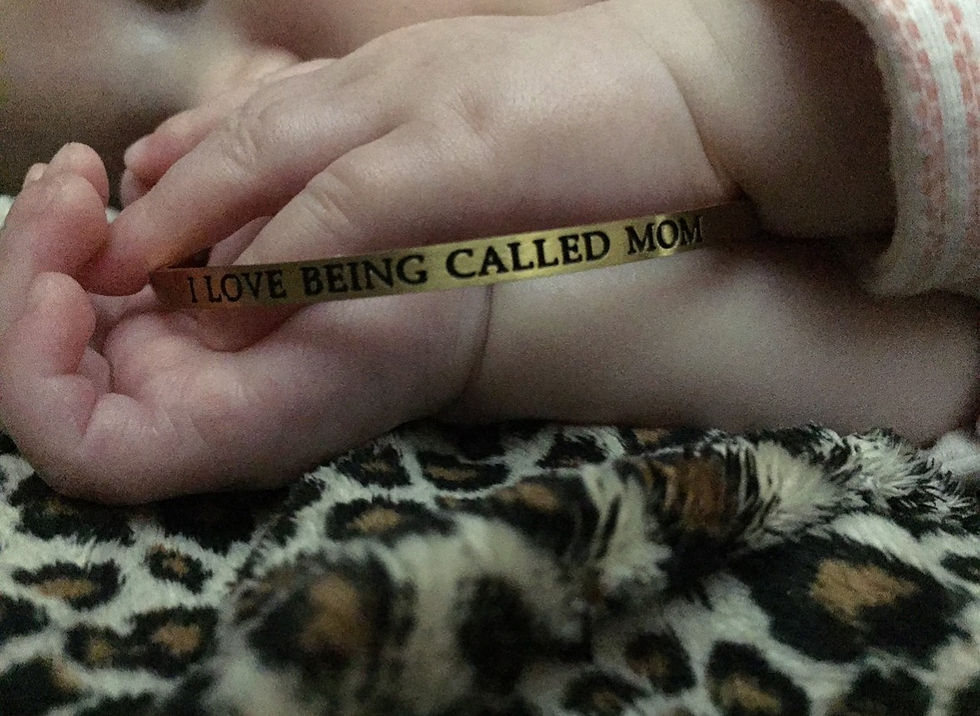
As a single mother, healing from C-PTSD has been one of the most painful, humbling, and transformative journeys of my life. I left a toxic relationship to create a new life for myself and my daughter—one rooted in safety, truth, and love. There were days I felt shattered, overwhelmed, and unsure if I could carry the weight of healing while raising a child alone.
But I kept going.
Everything I’ve listed in this article—I’ve practiced. Not just once, but over and over again. I didn’t just read about these techniques—I lived them. I was desperate. I was depleted. I was suffocating under the weight of fear and anxiety that had been stored in my body for years. Survival mode wasn’t just a phase—it was my entire existence. And I was tired of it.
-I tried everything. I journaled until my hands ached, pouring out the chaos in my mind.
-I did breathwork in the quiet moments before my daughter woke up, just to feel like I could breathe again.
-I lifted weights to feel strong again—not just physically, but emotionally.
-I sat in the sun barefoot, grounding myself when I felt like I was floating away.
-I practiced yoga and somatic therapy with deep stretches, even when my body trembled with stored grief.
-I screamed into pillows.
-I went to breathwork retreats
I cried in the shower.
-I forgave myself for surviving the only way I knew how.
-I tried TRE, Reiki, craniosacral therapy, acupuncture, Marma therapy, organ realignment, emotional coding—you name it, I tried it.
-I changed my diet, took supplements, and learned how to rest without guilt.
-I learned to honor my hormonal cycles, to time my cold plunges, and to listen to my body’s whispers before they became screams.
And when I reached a point of complete burnout—when I could no longer carry the weight alone—I entered a 12-week hospital program for my mental health. It was one of the scariest and embarrassing (at the time) decisions I’ve ever made, but it saved me. It gave me structure, support, and a safe place to unravel suppressed anger, (hard to swallow) grief and rebuild and reclaim my power back.
.
Through it all, I believe God perfectly aligned me to meet every healer I needed. Each one came into my life at the exact moment I was ready. Each setting reset me in a new way. Whether it was a therapist, a bodyworker, a spiritual guide, or a stranger with kind words—God made sure I was never truly alone.
My daughter often tells me, “Mom, you can do anything you put your mind to, man.” And she’s right. Healing is hard—but it’s possible. And it’s worth it.
I’m not healed. I’m healing. Every day. And that’s enough.
Moving Forward: Healing Without Blame or Excuses
It’s important to acknowledge that many people with C-PTSD were harmed by others—often caregivers or authority figures. But healing doesn’t require us to stay in a place of blame. Instead, it invites us to:
Validate our pain without minimizing it.
Understand our adaptations as intelligent responses to trauma.
Choose healing, even when it feels hard or slow.
And just as importantly: we must not let our diagnosis become our identity or our excuse. C-PTSD is real, and it deserves compassion—but it is not a life sentence. It is a starting point.
We can honor our wounds without using them as a crutch. We can acknowledge our disability without letting it define our destiny. Healing is not about perfection—it’s about progress. And every step forward is a victory.
Final Thoughts
C-PTSD is complex, but so is the human spirit. With awareness, support, and safe relationships, healing is not only possible—it’s powerful. If you or someone you love is navigating C-PTSD, know that you’re not alone. Your story matters. Your healing matters. And your growth is waiting on the other side of your courage.
Love & Light
Soldier Mom


Comments